The Future of Work Isn’t What You Think – What 2026 Will Really Demand
Over the past few years, the way we work has changed dramatically. Remote work, hybrid teams, digital collaboration, and flexible schedules have transformed the traditional office environment. However, the future of work in 2026 is not simply about working from home or returning to traditional office spaces.
Businesses are now entering a new phase where workplaces must combine flexibility, technology, collaboration, and employee well-being. Organizations that adapt to these evolving demands will be better positioned to attract talent, improve productivity, and remain competitive in a rapidly changing business landscape.
Understanding the trends shaping the future of work can help companies prepare for what lies ahead.
The Shift from Traditional Offices to Flexible Workspaces
For decades, businesses relied on long-term office leases and fixed workspace structures. While this model provided stability, it often lacked flexibility.
Today, companies require work environments that can adapt to changing workforce dynamics.
Flexible workspaces have become increasingly popular because they offer:
• Scalable office infrastructure
• Short-term and flexible leasing options
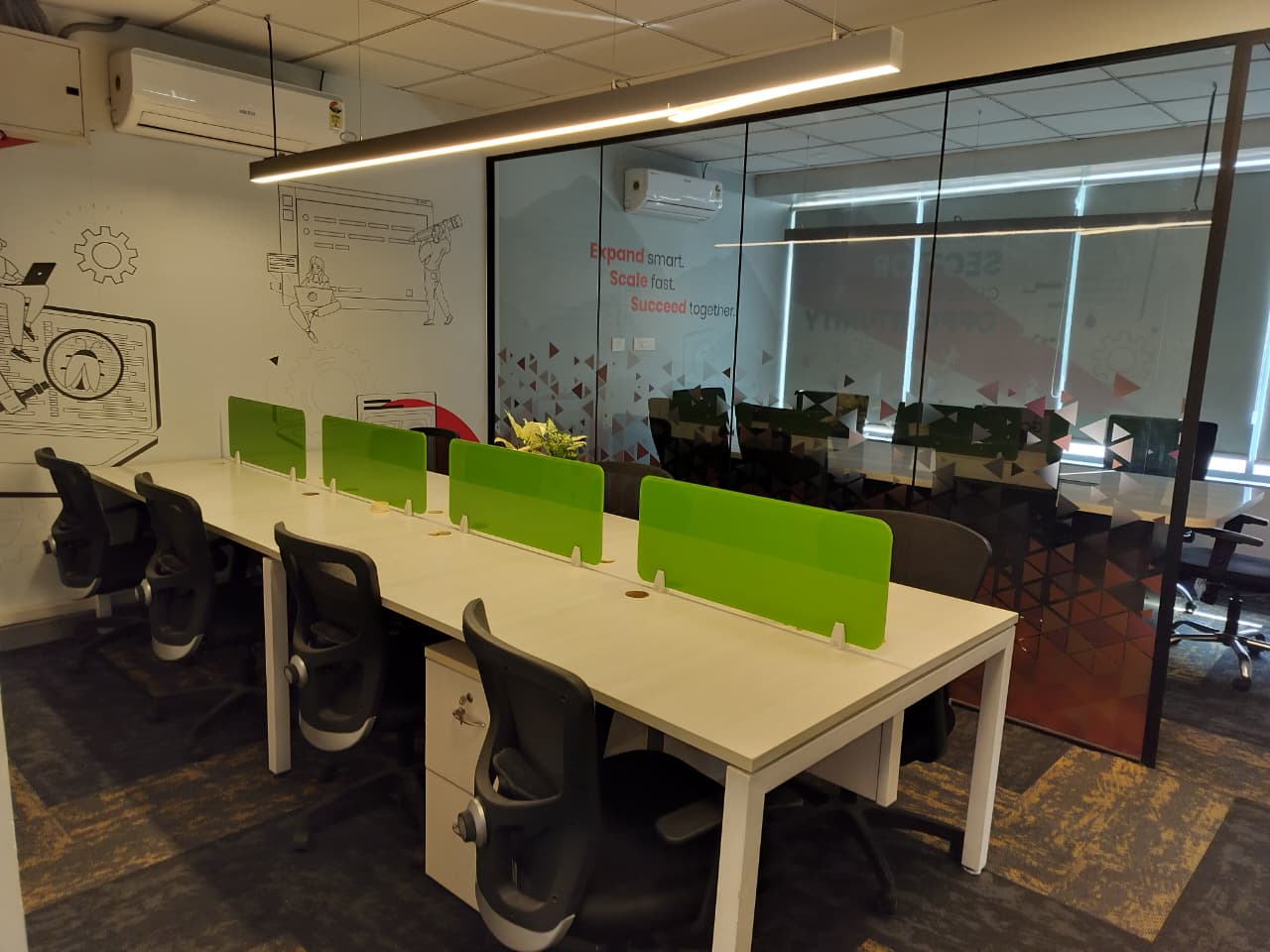
• Collaborative work environments
• Access to modern office amenities
As organizations continue to evolve, flexible office environments will become an essential part of workplace strategy.
Trendz Workspace provides modern workspace solutions designed to support businesses navigating the future of work.
Hybrid Work Is Here to Stay
One of the most significant changes in recent years is the rise of hybrid work models. In this approach, employees divide their time between remote work and office presence.
By 2026, hybrid work will likely become the standard operating model for many organizations.
Hybrid work provides several advantages:
• Greater flexibility for employees
• Reduced commuting stress
• Increased productivity and work-life balance
• Improved employee satisfaction
However, hybrid work also requires workplaces that support collaboration, communication, and team interaction when employees are in the office.
Flexible office environments help companies maintain the balance between remote work and in-person collaboration.
Workspaces Designed for Collaboration
The traditional office layout focused heavily on individual workstations and cubicles. In contrast, the future workplace emphasizes collaboration and teamwork.
Modern workspaces are increasingly designed to include:
• Open collaboration areas
• Brainstorming rooms
• Informal meeting lounges
• Flexible seating arrangements
These environments encourage employees to exchange ideas and work together more effectively.
Collaborative spaces help organizations drive innovation and problem-solving while maintaining a dynamic work culture.
Technology-Driven Work Environments
Technology will continue to play a major role in shaping the future of work.
Workspaces in 2026 will rely on advanced technology to support seamless communication and productivity.
Key technological trends include:
• Smart meeting rooms with video conferencing capabilities
• High-speed cloud connectivity
• Digital collaboration tools
• Secure access systems and workplace automation
Technology-enabled offices allow teams to collaborate effectively regardless of whether employees are working remotely or in the office.
Trendz Workspace integrates modern infrastructure that supports technology-driven business operations.
Employee Well-Being Becomes a Priority
The future workplace will place greater emphasis on employee well-being and mental health.
Companies are recognizing that workplace environments significantly influence employee motivation and performance.
Modern office spaces increasingly incorporate features such as:
• Natural lighting and open spaces
• Comfortable ergonomic furniture
• Relaxation zones and breakout areas
• Wellness-focused office design
These features create healthier work environments that help employees remain productive and engaged.
Organizations that prioritize employee well-being will have a stronger ability to attract and retain talent.
Flexibility and Scalability for Growing Businesses
In the future, businesses will require workspace solutions that can scale quickly as organizations grow.
Traditional office leases often lack the flexibility required for rapidly changing team sizes.
Flexible workspaces offer scalable solutions that allow companies to:
• Expand team workspaces easily
• Access additional meeting rooms or offices when required
• Adjust workspace capacity based on business needs
This scalability allows businesses to remain agile in dynamic market conditions.
The Rise of Community-Driven Workspaces
Workspaces are no longer just physical environments—they are becoming professional communities.
Modern workspace environments often host networking events, workshops, and collaborative activities that connect professionals from different industries.
These communities create opportunities for:
• Knowledge sharing
• Partnerships and collaborations
• Business networking
• Entrepreneurial growth
Community-driven workspaces foster innovation and provide valuable connections for businesses and professionals.
Why Businesses Choose Trendz Workspace
Trendz Workspace offers premium office environments designed to meet the evolving demands of modern businesses.
Key advantages include:
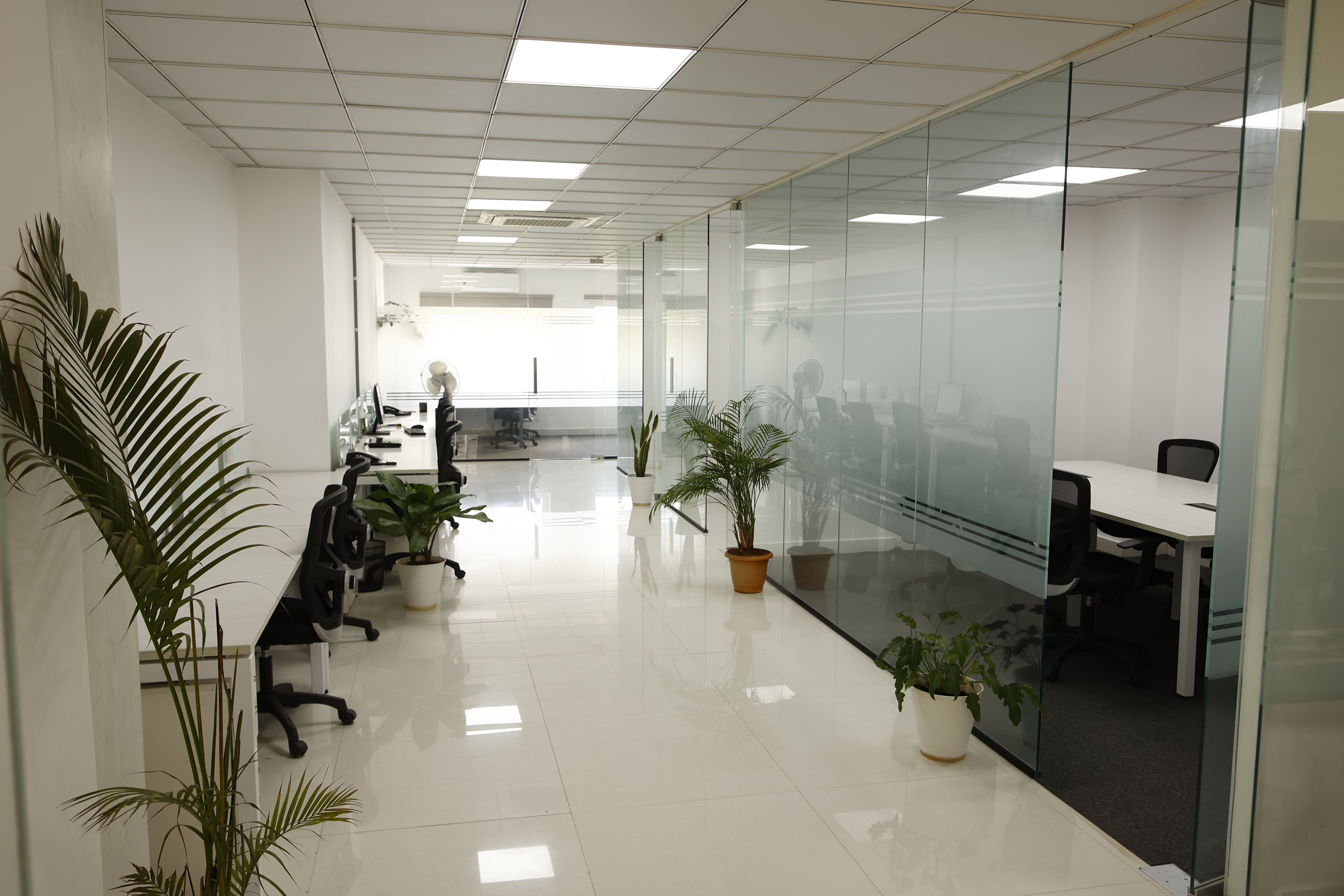
• Fully furnished plug-and-play office spaces
• Flexible workspace plans for teams of all sizes
• High-speed internet and advanced infrastructure
• Professional meeting rooms and collaboration areas
• Strategically located offices in Hyderabad
These features provide businesses with the flexibility and professional environment needed to adapt to the future of work.
Conclusion
The future of work is not defined by a single trend but by a combination of flexibility, technology, collaboration, and employee well-being.
By 2026, organizations will require workspaces that support hybrid work models, scalable infrastructure, and dynamic team collaboration.
Companies that embrace modern workspace solutions will be better prepared to navigate changing workforce expectations and evolving business environments.
Trendz Workspace supports this transformation by offering innovative office environments designed for the future of work.
As businesses continue to evolve, the workplace will remain a key factor in driving productivity, creativity, and long-term success.